A new Assassin’s Creed controversy emerges, this time, over privacy. Ubisoft is under fire for collecting user data without consent in Shadows.
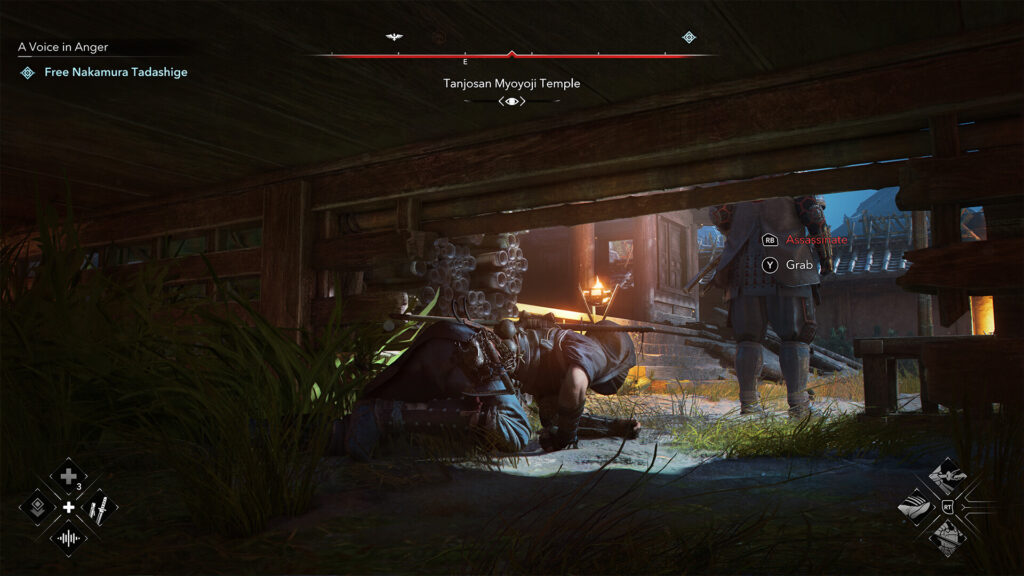
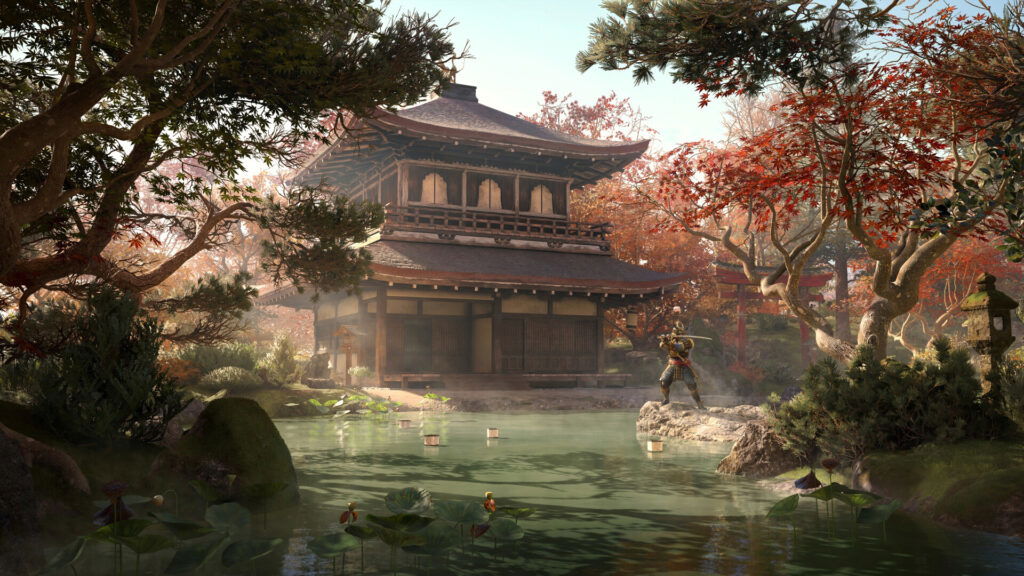
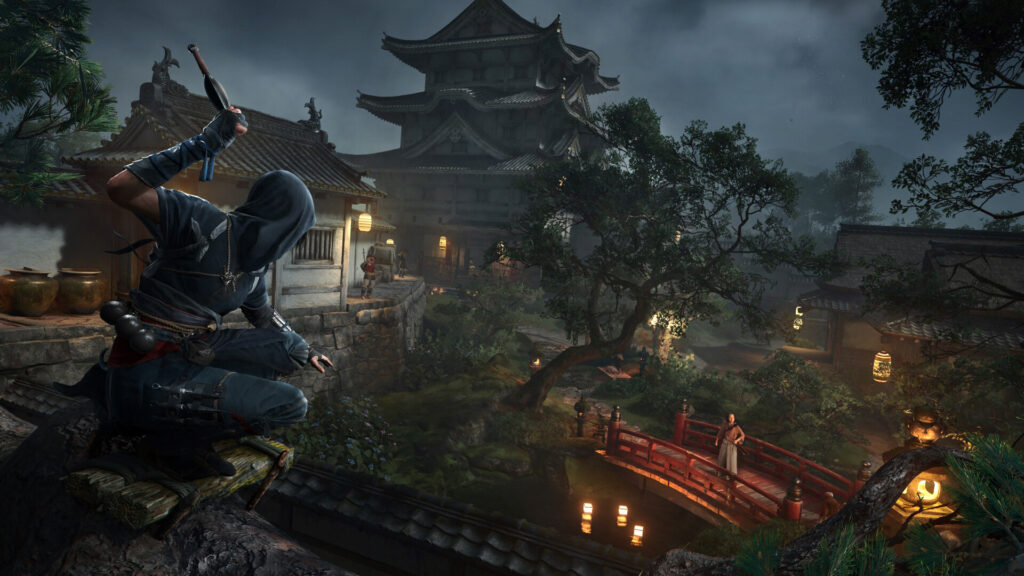
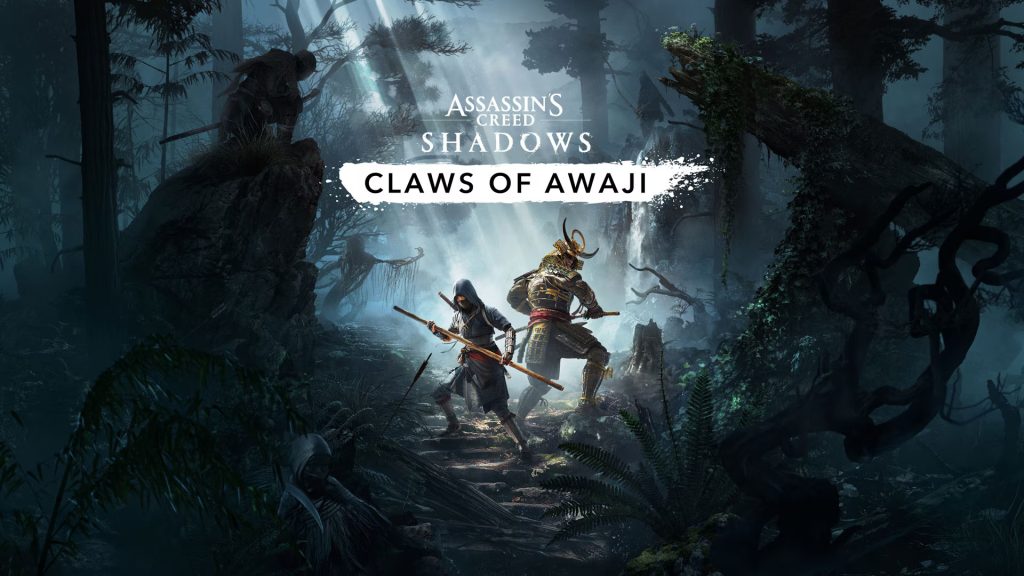
Assassin’s Creed Shadows launched to strong reviews, with fans hailing its stunning depiction of feudal Japan, dual protagonists, and a much-needed return to stealth roots. But in true Assassin fashion, peace was never an option. You can take the controversy out of the Creed, but you can’t take the Creed out of the controversy.
While players were busy leaping off rooftops and slipping through bamboo forests, privacy watchdog noyb was quietly filing a complaint that could have real-world consequences. It accuses the studio of forcing players online and harvesting personal data without consent.
Turns out, the most dangerous thing lurking in the shadows isn’t a hidden blade, it’s a data packet you never knew you sent.
Why Ubisoft is in hot water over Assassin’s Creed Shadows now
⛶
⛶
⛶
⛶
⛶
Despite Assassin’s Creed Shadows being a hit with fans, Ubisoft now finds itself under fire, not for bugs or historical nitpicks, but for allegedly spying on players.
Privacy watchdog noyb has filed a formal complaint with Austria’s data protection authority, claiming the company forces players to stay connected to the internet, even in single-player mode, and secretly collects personal data.
While the studio says it only tracks basic information like session times, the investigation tells a different story. When monitoring the AC Shadows’ network activity, it was found that the game made over 150 connections to external servers.
This included login information, system data, and browsing behavior, none of which were clearly disclosed or consented to. This kind of behind-the-scenes data collection violates the EU’s strict GDPR law. Joakim Söderberg, data protection lawyer, said:
Imagine if the Monopoly man sat at your table and took notes every time you want to play a board game with your family or friends. […] As long as you have an open internet connection when you play, your data is collected and analysed.
Noyb argues that the studio didn’t give players a real choice, didn’t explain what was being collected, and had no legitimate reason to gather that level of data, especially for a solo game experience.
Now, the group is pushing for regulatory action: a fine of €92 million and an order to delete the data collected without proper consent. If upheld, the case could set a major precedent, not just for Ubisoft but for how game publishers handle player data across the board.
The Watchdog that’s watching the watchers
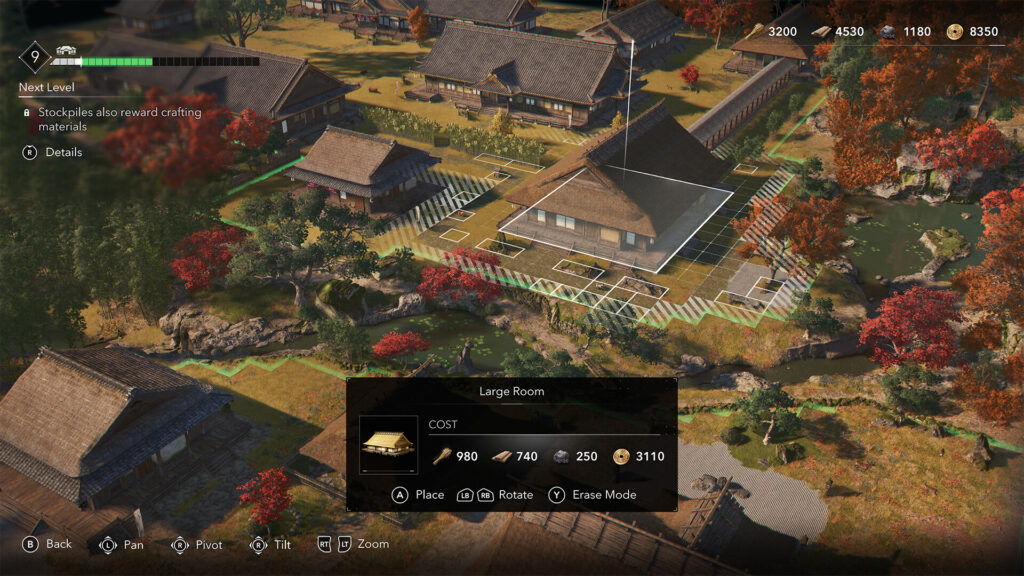
 The biggest stealth mission might be happening behind the scenes. | Image Credit: Ubisoft
The organization behind the complaint, noyb, short for None of Your Business, isn’t new to going head-to-head with tech giants. It has taken on the likes of Google, Meta, and Apple, with a strong track record of exposing data abuse under the EU’s GDPR laws. Now, Ubisoft is in its crosshairs.
But the issue here isn’t just Ubisoft, it’s what this case represents. The controversy started with a simple, frustrating question: why does a purely single-player game need to be online at all? What looked like an odd design choice turned out to be a potential data trap.
The investigation’s findings suggest that this always-online requirement isn’t about finding session times or seeing the gameplay; it’s about tracking players, collecting data, and sharing it with third parties like Google and Amazon. And all this without clear consent.
In the age of connected everything, it’s easy to shrug off data collection as just part of the experience. But when a solo gaming session becomes a surveillance opportunity, the lines blur between entertainment and exploitation.
Ubisoft may be the first in the spotlight, but it’s unlikely to be the last. This case could be a wake-up call, not just for gamers, but for the entire industry.
News
Elder Scrolls IV: Oblivion Remastered Players Discover Simple Setting Change That Instantly Boosts Performance—Find Out What’s Got Everyone Buzzing Below!
Elder Scrolls IV: Oblivion Remastered Players Discover Simple Setting Change That Instantly Boosts Performance—Find Out What’s Got Everyone Buzzing Below! The recent release of The Elder Scrolls IV: Oblivion Remastered has captivated both longtime fans and newcomers with its stunning…

STAR WARS: BATTLE OF HOTH UNVEILED: Days of Wonder’s Epic Board Game Brings Hoth’s Iconic Clash to Your Tabletop! Command Rebels or Imperials in a Fast-Paced Strategy Showdown That’s Got Fans Buzzing—Discover Why This Game Is a Must-Have! ❄️
Star Wars: Battle of Hoth Board Game Unleashes Epic Tabletop Warfare in a Galaxy Far, Far Away In the vast universe of Star Wars, few moments are as iconic as the Battle of Hoth from The Empire Strikes Back. The…
CYBERPUNK 2077 FANS, CLEAR YOUR CALENDARS FOR JULY 17: CD Projekt Red’s Mysterious Reveal Promises a Game-Changing Night City Update! A Highly Anticipated Event Sparks Feverish Hype and Speculation—Discover Why This Date Has the Gaming World Electrified! 🌃
Cyberpunk 2077’s July 17 Reveal: A Night City Bombshell That Has Fans Buzzing In the neon-lit world of Cyberpunk 2077, where corporate intrigue and cybernetic chaos reign, CD Projekt Red has mastered the art of keeping fans on edge. Since…
ELDER SCROLLS: OBLIVION REMASTERED’S SHOCKING SECRET: Hidden Door Warps Players to Game’s Epic Finale! Bethesda’s Revamped RPG Unveils a Mysterious Shortcut That’s Got Fans Buzzing with Excitement and Debate—Uncover Why This Discovery Is Taking Tamriel by Storm! 🚪
Elder Scrolls: Oblivion Remastered’s Secret Door: A Shortcut to the Finale That’s Stunning Fans In the storied legacy of The Elder Scrolls, few games hold the nostalgic weight of The Elder Scrolls IV: Oblivion. Released in 2006, its vibrant world…
SKYRIM REBORN IN UNREAL ENGINE 5: Bethesda’s Official Remake of a Fantasy Epic Stuns Fans with Next-Gen Glory! Tamriel’s Legendary World Revamped with Jaw-Dropping Visuals Ignites a Frenzy of Hype—Dive into Why This Remaster Has Gamers Spellbound! 🐉
Skyrim’s Unreal Engine 5 Remake: A Legendary RPG Reborn in Next-Gen Splendor In the annals of gaming history, few titles have left as indelible a mark as The Elder Scrolls V: Skyrim. Since its 2011 release, Bethesda’s open-world masterpiece has…
DARK SOULS 4 TAKES A BACKSEAT: New RPG Blending Skyrim’s Epic Scope with Bloodborne’s Brutal Horror Steals the Spotlight! A Groundbreaking Fusion of Open-World Adventure and Gothic Terror Has Fans Buzzing with Hype—Discover Why This Game Is the Talk of the Gaming World! 🎮
What a combo this headline is – Dark Souls, Bloodborne, Skyrim, all absolute bangers that, if merged together, could make for a hell of a game, right? I feel like we’re setting you up for something special, but this is all pulled…
End of content
No more pages to load