Dragon Age: The Veilguard’s ‘Gayest Game’ Win Ignites Celebration and Controversy
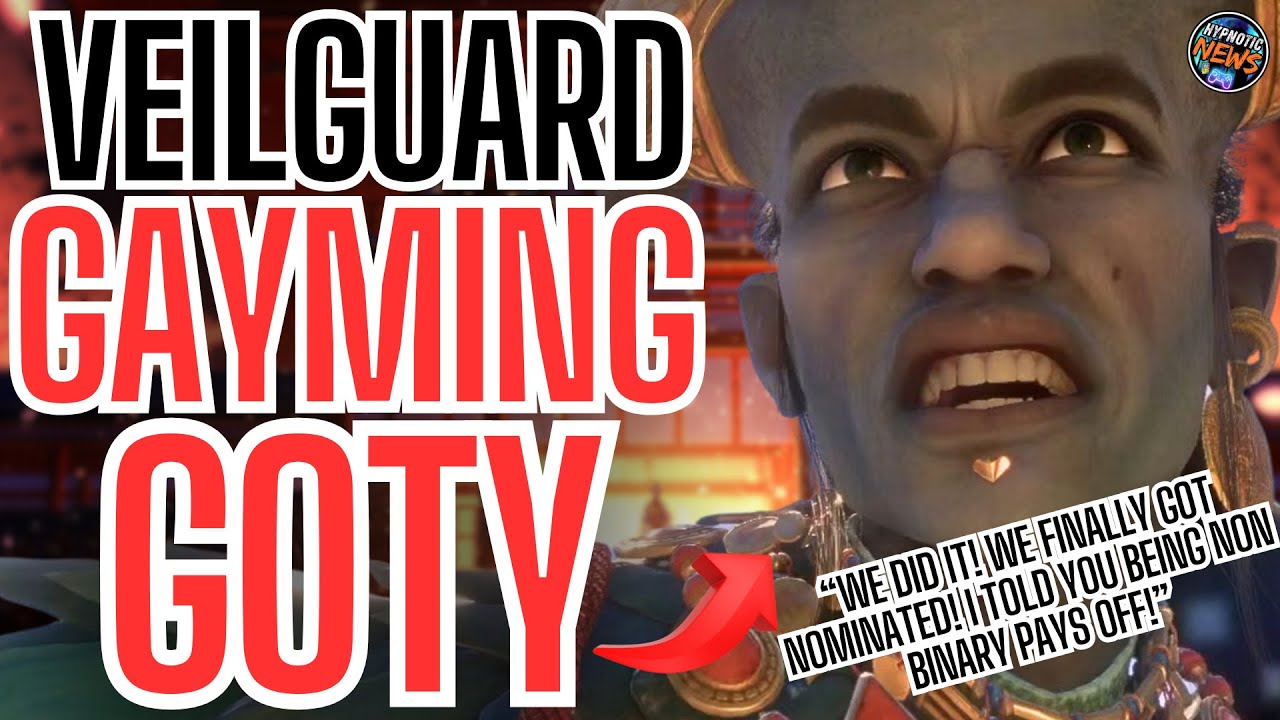
In a polarizing moment for the gaming industry, Dragon Age: The Veilguard, the fourth installment in BioWare’s beloved fantasy RPG series, was named the “Gayest Game of the Year” at the 2024 Gayming Awards, an event celebrating LGBTQ+ representation in gaming. The accolade, announced in April 2025, has sparked both fervent praise from advocates of inclusive storytelling and sharp criticism from detractors who label the game a “woke failure.” With posts on X amplifying the discourse and media outlets dissecting its commercial underperformance, The Veilguard has become a lightning rod for debates about diversity, quality, and the future of AAA gaming. This article explores the game’s journey, from its inclusive design to its rocky reception, and why it remains a focal point of cultural conversation.
A Bold Leap for Inclusivity
Released on October 31, 2024, for PlayStation 5, Xbox Series X/S, and Windows, Dragon Age: The Veilguard marked BioWare’s return to the Dragon Age franchise after a decade since Inquisition (2014). The game follows Rook, a customizable protagonist, as they lead a team to stop the elven god Solas and two freed, amoral deities from destroying Thedas. Unlike its predecessors, The Veilguard shifted from open-world exploration to discrete levels and emphasized action-oriented combat inspired by God of War (2018). Its character creator, lauded for offering options like top surgery scars and gender-fluid pronouns, positioned it as a trailblazer in trans and nonbinary representation.
The Dragon Age series has long been inclusive, featuring queer romances since Origins (2009) and characters like Dorian, an openly gay mage in Inquisition. However, The Veilguard amplified this legacy with companions like Taash, a nonbinary Qunari whose storyline sparked heated debate. A scene addressing Taash’s pronouns, where a character performs push-ups as atonement for misgendering, drew mockery for its “immersion-breaking” dialogue. Critics argued it felt like “21st-century activism” shoehorned into a fantasy world, while supporters praised its bold visibility.
The Gayming Awards, which honor games for authentic LGBTQ+ representation, celebrated The Veilguard for its unapologetic inclusivity. The award highlighted its diverse cast and narrative choices, such as queer romances and trans character options, which resonated with players seeking representation. A tie-in podcast, Dragon Age: Vows & Vengeance, further enriched companion backstories, earning Webby Award honors in 2025. Posts on X, like those from @Vara_Dark, noted the game’s lead in the awards’ inclusivity categories, framing it as a cultural milestone.
Commercial Struggles and “Woke” Backlash
Despite critical acclaim—garnering an 82 on Metacritic and nominations at the Golden Joystick and Canadian Game Awards—The Veilguard faced commercial challenges. EA reported 1.5 million players by year-end 2024, falling nearly 50% short of expectations. On Steam, its peak concurrent player count was 89,418, dropping to 19,000 within a month, compared to Black Myth: Wukong’s 2.4 million peak and 80,000 daily players months later. With a $250 million production cost, the game needed to sell 4 million copies to break even but is projected to have sold only 500,000, leading to a plummeting trade-in value of $22 after 12 days.
The game’s inclusivity became a flashpoint. Before launch, its Steam page was flooded with complaints about “wokeness,” with some users decrying its diverse cast and queer themes. Metacritic user scores averaged 3.9/10 due to review bombing, with many zero scores citing “DEI” (diversity, equity, inclusion) as a flaw. However, Steam reviews, requiring gameplay, were “mostly positive,” suggesting a divide between ideological critics and players.
Outlets like ZeroHedge labeled The Veilguard a “pro-LGBT failure,” arguing its focus on trans identity alienated gamers. Forbes criticized its “preachy” writing, particularly Taash’s storyline, which could have used existing lore like the Qunari term “Aqun-athlok” for gender-diverse characters. Conversely, GAMINGbible defended the franchise’s queer roots, noting that inclusivity has been a hallmark since Origins. Reddit threads, like those on r/DankAndrastianMemes, dismissed “woke” complaints as buzzwords, pointing to successful inclusive games like Baldur’s Gate 3.
The Game Awards Snub and Industry Context
The Veilguard’s single nomination at The Game Awards 2024—for Innovation in Accessibility—surprised fans, given Inquisition’s Game of the Year win in 2014. Outlets like Polygon and TheGamer argued it was snubbed in categories like Best Narrative or Best RPG, despite strong art direction and performances, such as Gareth David-Lloyd’s Solas. Critics noted 2024’s competitive field, with titles like Elden Ring’s DLC and Helldivers 2 dominating. Some fans on Reddit’s r/DragonAgeVeilguard speculated that its “controversial” inclusivity deterred nominations to avoid backlash, citing The Last of Us Part II’s divisive 2020 win.
The game’s development was turbulent, with layoffs affecting veterans like writer Mary Kirby and shifts from a live-service model to a single-player focus after Star Wars Jedi: Fallen Order’s success. BioWare’s layoffs of 50 staff in 2023, including long-term writers, fueled concerns about lost expertise, with seven suing for better compensation. These challenges, combined with a decade-long development cycle, raised expectations that The Veilguard struggled to meet.
Cultural Divide: Woke Success or Failure?
The “woke gaming” narrative reflects broader industry tensions. Critics argue that prioritizing diversity over quality leads to failures like Concord and Dustborn, which also underperformed. The Veilguard’s detractors on Steam forums called it a “DEI-driven” product, with one user lamenting its use of LGBTQ+ themes as a “selling point” rather than organic storytelling. Yet, supporters, including Vice and TheGamer, emphasized that The Veilguard continues BioWare’s tradition of inclusive world-building, with characters like Zevran and Dorian paving the way.
The Gayming Awards win underscores a divide: for some, it’s a triumph of representation, with The Veilguard’s GLAAD Media Award for Outstanding Video Game reinforcing its impact. For others, it’s evidence of “pandering” that doomed its commercial prospects. Reddit users noted that Baldur’s Gate 3 balanced inclusivity with quality, avoiding backlash, suggesting The Veilguard’s execution—particularly its dialogue—lacked subtlety.
The Human and Industry Impact
The backlash has taken a toll on BioWare. Developers faced online harassment, with accusations of “ruining” the franchise. The departure of key staff, including nonbinary writer Trick Weekes, raised concerns about the studio’s future, especially as EA shifted resources to Mass Effect. Fans on r/DragonAgeVeilguard expressed mixed feelings, with some calling it “the best Dragon Age” for its story, while others felt it strayed from the series’ gritty roots.
The broader gaming industry is at a crossroads. The success of non-inclusive titles like Black Myth: Wukong and Space Marine 2 has fueled arguments that “woke” games are money-losers. Yet, Baldur’s Gate 3’s 2023 Game of the Year sweep shows inclusivity can succeed when paired with quality. The Veilguard’s accessibility features, like customizable difficulty and visual aids, earned praise, but its narrative and sales struggles highlight the risks of polarizing design choices.
Looking Forward: Lessons and Legacy
The Veilguard’s “Gayest Game” win is a double-edged sword: a celebration of progress and a reminder of the challenges facing inclusive AAA titles. BioWare’s attempt to push boundaries was bold, but its execution—hampered by development woes and divisive writing—fell short for many. The game’s supporters argue it’s a step toward normalizing diverse identities in gaming, while critics see it as a cautionary tale of prioritizing agenda over craft.
As the industry navigates this divide, The Veilguard’s legacy may lie in its lessons. Developers must balance authenticity with accessibility, ensuring inclusivity enhances, rather than overshadows, storytelling. For now, the game remains a cultural touchstone, celebrated by some, scorned by others, and impossible to ignore.
News
Elder Scrolls IV: Oblivion Remastered Players Discover Simple Setting Change That Instantly Boosts Performance—Find Out What’s Got Everyone Buzzing Below!
Elder Scrolls IV: Oblivion Remastered Players Discover Simple Setting Change That Instantly Boosts Performance—Find Out What’s Got Everyone Buzzing Below! The recent release of The Elder Scrolls IV: Oblivion Remastered has captivated both longtime fans and newcomers with its stunning…

STAR WARS: BATTLE OF HOTH UNVEILED: Days of Wonder’s Epic Board Game Brings Hoth’s Iconic Clash to Your Tabletop! Command Rebels or Imperials in a Fast-Paced Strategy Showdown That’s Got Fans Buzzing—Discover Why This Game Is a Must-Have! ❄️
Star Wars: Battle of Hoth Board Game Unleashes Epic Tabletop Warfare in a Galaxy Far, Far Away In the vast universe of Star Wars, few moments are as iconic as the Battle of Hoth from The Empire Strikes Back. The…
CYBERPUNK 2077 FANS, CLEAR YOUR CALENDARS FOR JULY 17: CD Projekt Red’s Mysterious Reveal Promises a Game-Changing Night City Update! A Highly Anticipated Event Sparks Feverish Hype and Speculation—Discover Why This Date Has the Gaming World Electrified! 🌃
Cyberpunk 2077’s July 17 Reveal: A Night City Bombshell That Has Fans Buzzing In the neon-lit world of Cyberpunk 2077, where corporate intrigue and cybernetic chaos reign, CD Projekt Red has mastered the art of keeping fans on edge. Since…
ELDER SCROLLS: OBLIVION REMASTERED’S SHOCKING SECRET: Hidden Door Warps Players to Game’s Epic Finale! Bethesda’s Revamped RPG Unveils a Mysterious Shortcut That’s Got Fans Buzzing with Excitement and Debate—Uncover Why This Discovery Is Taking Tamriel by Storm! 🚪
Elder Scrolls: Oblivion Remastered’s Secret Door: A Shortcut to the Finale That’s Stunning Fans In the storied legacy of The Elder Scrolls, few games hold the nostalgic weight of The Elder Scrolls IV: Oblivion. Released in 2006, its vibrant world…
SKYRIM REBORN IN UNREAL ENGINE 5: Bethesda’s Official Remake of a Fantasy Epic Stuns Fans with Next-Gen Glory! Tamriel’s Legendary World Revamped with Jaw-Dropping Visuals Ignites a Frenzy of Hype—Dive into Why This Remaster Has Gamers Spellbound! 🐉
Skyrim’s Unreal Engine 5 Remake: A Legendary RPG Reborn in Next-Gen Splendor In the annals of gaming history, few titles have left as indelible a mark as The Elder Scrolls V: Skyrim. Since its 2011 release, Bethesda’s open-world masterpiece has…
DARK SOULS 4 TAKES A BACKSEAT: New RPG Blending Skyrim’s Epic Scope with Bloodborne’s Brutal Horror Steals the Spotlight! A Groundbreaking Fusion of Open-World Adventure and Gothic Terror Has Fans Buzzing with Hype—Discover Why This Game Is the Talk of the Gaming World! 🎮
What a combo this headline is – Dark Souls, Bloodborne, Skyrim, all absolute bangers that, if merged together, could make for a hell of a game, right? I feel like we’re setting you up for something special, but this is all pulled…
End of content
No more pages to load