🔥 THE DOUBLE DEATH SCENE AND THE SILENCE AFTERWARD
Dodi Al-Fayed and Henri Paul were declared dead at the scene inside the tunnel moments after impact; Princess Diana, grievously injured, was still alive in the waiting dark outside the wreck. Sirens, flashes, tears — then hours of silence before death was pronounced around 4 AM in Pitié-Salpêtrière. The night echoed louder for those who didn’t hear.
The Double Death Scene and the Silence Afterward
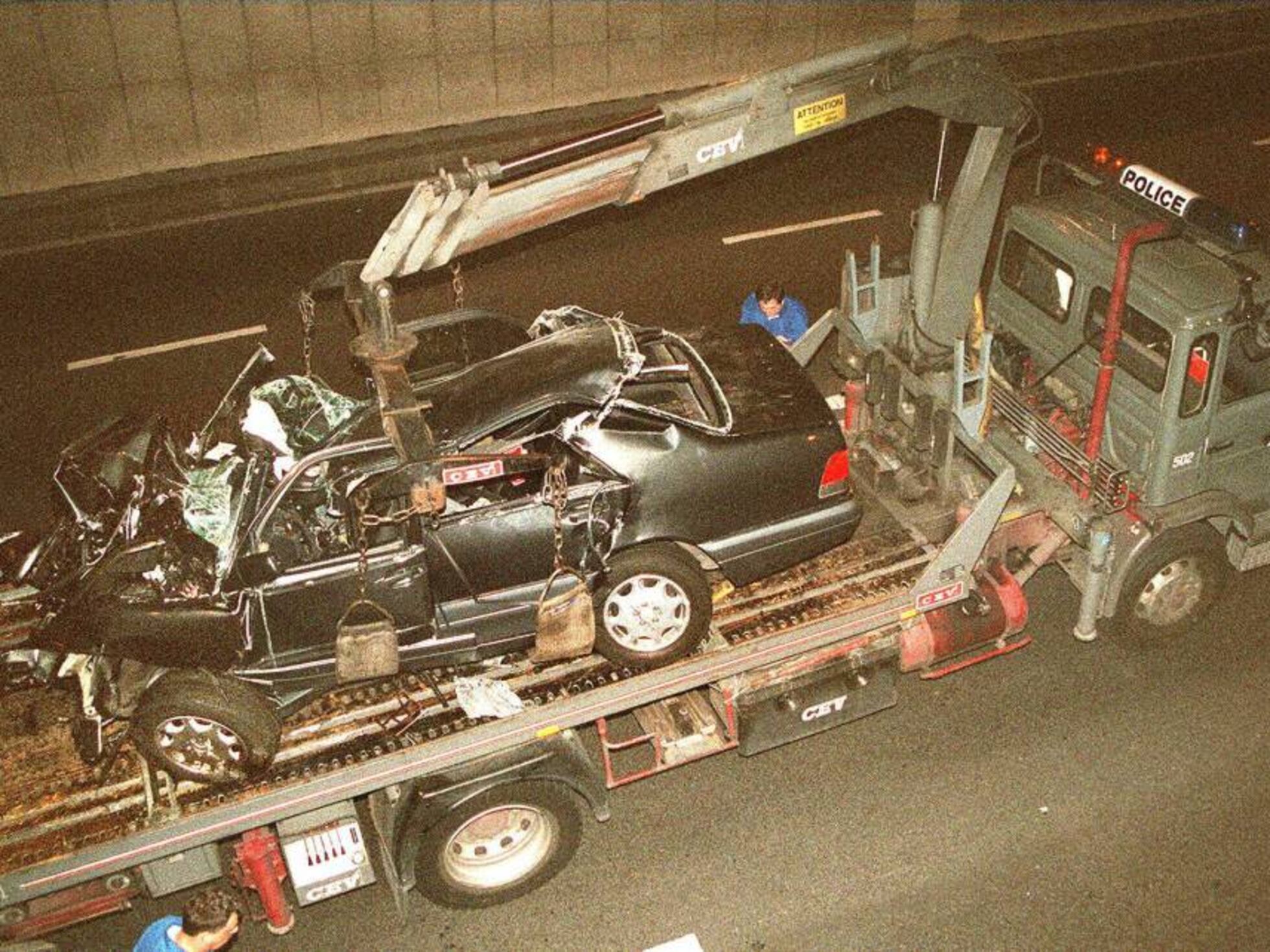
On August 31, 1997, at 12:23 AM, a black Mercedes S280 carrying Princess Diana, Dodi Fayed, driver Henri Paul, and bodyguard Trevor Rees-Jones crashed into the 13th pillar of Paris’s Pont de l’Alma tunnel at over 105 km/h (65 mph). The impact was catastrophic: Dodi and Paul were declared dead at the scene, their bodies motionless in the wreckage. Diana, grievously injured, remained alive in the waiting dark outside the wreck, her faint murmurs captured by rescuers amid sirens, paparazzi flashes, and tears. Hours of eerie silence followed as medics battled to save her, until her death was pronounced at 4:00 AM at Pitié-Salpêtrière Hospital. The night’s chaos and subsequent quiet left an echo that resonates louder for those who never heard the full truth. This article explores the double tragedy, the response, the silence, and the enduring mystery of that fateful night.
The Fatal Night: A Pursuit Gone Wrong

By August 1997, Diana, aged 36, was a global icon, divorced from Prince Charles and renowned for her humanitarian work on landmines, AIDS, and mental health. On August 30, she and Dodi Fayed, son of billionaire Mohamed Al-Fayed, arrived in Paris after a Mediterranean holiday, relentlessly pursued by paparazzi. After dining at the Ritz Hotel, owned by Mohamed, they devised a plan to evade photographers. At 12:20 AM, they left in the Mercedes, driven by Henri Paul, the hotel’s deputy security chief, with Rees-Jones in the front. A decoy vehicle failed to distract the media, and paparazzi on motorbikes gave chase.
The Mercedes entered the Pont de l’Alma tunnel at high speed, clipping an untraced white Fiat Uno before slamming into the pillar. The crash was instantaneous, reducing the car to a mangled heap. Official inquiries—the 1999 French investigation and 2008 UK inquest—attributed the accident to Paul’s intoxication (blood alcohol three times France’s legal limit) and reckless speed, compounded by paparazzi pursuit. Dodi, seated in the rear left, and Paul, at the wheel, suffered fatal injuries on impact, likely from massive head trauma and internal damage. Rees-Jones, the only survivor, sustained severe facial and chest injuries, later recalling little due to amnesia.
Diana in the Dark: A Fleeting Hope
Diana, unseated in the rear right without a seatbelt, was thrown into the footwell, her right arm dislocated and bent back. Off-duty doctor Frederic Mailliez, passing by, reached the scene first, finding Diana conscious, murmuring, “My God, what’s happened?” He noted her agitation but no visible bleeding, lacking equipment to do more. The first emergency call, logged at 12:26 AM, was delayed by weak mobile signals in the tunnel. Firefighters from Malar Fire Station, led by Sergeant Xavier Gourmelon, arrived at 12:32 AM, confirming Dodi and Paul’s deaths on-site after checking for vital signs.
Gourmelon, unaware of Diana’s identity, described her as responsive, with a strong pulse initially, giving hope she could survive. He held her hand, calming her as she moved slightly. SAMU, France’s elite medical service, arrived at 12:40 AM with Dr. Jean-Marc Martino, who inserted an IV drip to address suspected internal bleeding, evident from her low blood pressure. French protocol, emphasizing “stay and treat” over the UK’s “scoop and run,” required stabilizing her vitals to prevent cardiac arrest during transport. This took 20 minutes; Diana was extracted at 1:00 AM, suffering a cardiac arrest as she was moved. CPR revived her briefly, and the ambulance departed at 1:41 AM, reaching Pitié-Salpêtrière Hospital at 2:06 AM.
Surgeons discovered a severed pulmonary vein—a rare, catastrophic injury. Despite open-heart surgery and adrenaline, Diana’s heart stopped at 4:00 AM. The hospital’s silence, as staff absorbed the loss, contrasted with the earlier chaos of sirens and flashes. The world learned of her death hours later, Paris dimming the Eiffel Tower’s lights in tribute.
The Silence That Followed
The hours between the crash and Diana’s death were marked by procedural quiet. Medics focused on clinical tasks, paparazzi were detained, and police secured the scene. No official statements emerged until hospital confirmation, leaving a vacuum filled by media frenzy and public shock. By dawn, thousands gathered at Kensington Palace, laying flowers that piled higher than cars, while Buckingham Palace’s silence—lasting until Queen Elizabeth II’s September 5 address—drew criticism. The royal family, at Balmoral with Princes William and Harry, prioritized privacy, but the public perceived their reticence as cold, fueled by Diana’s 1995 Panorama interview alleging royal surveillance.
Mohamed Al-Fayed’s conspiracy theories claimed MI6 orchestrated the crash to prevent Diana’s marriage or a rumored pregnancy (disproven by autopsy). The untraced Fiat Uno, absent tunnel CCTV (due to 1997’s analog tech limits), and blood test discrepancies for Paul (showing high alcohol despite steady CCTV demeanor) fed speculation. Operation Paget, a 2004-2006 UK probe into 175 claims, found no evidence of foul play, affirming negligence as the cause. Yet, sealed French files (some until 2082) and suppressed crash photos—deemed too graphic by the 2008 inquest—sustained distrust.
The Role of the Paparazzi and Media Fallout

Paparazzi, some photographing Diana as she lay dying, faced public outrage. Witnesses like Antonio Lopes-Borges noted photographers prioritizing shots over aid. Seven were arrested, their films confiscated; they faced privacy fines but no manslaughter charges. The incident prompted UK press code reforms, tightening media ethics, a legacy echoed in Prince Harry’s 2025 tabloid lawsuits. Suppressed photos, briefly leaked in outlets like Italy’s Chi magazine, remain a sore point, their absence amplifying conspiracy narratives.
Why the Echo Endures
The “double death scene”—Dodi and Paul’s instant loss versus Diana’s lingering fight—captures the tragedy’s layered horror. Diana’s survival for hours, only to slip away, fuels “what if” scenarios. Could faster transport have saved her? UK experts argued it might have offered a slim chance, but the pulmonary vein tear was likely fatal. Proportionality bias insists Diana’s death demands a grander cause than accident, making the Fiat, flashes, and silence fertile ground for theories.
The silence afterward—royal, medical, and investigative—contrasts with the night’s chaos: sirens, paparazzi flashes, and rescuers’ tears. Social media in 2025 keeps myths alive, with X posts speculating on cover-ups, but official verdicts hold: a tragic accident born of speed and pursuit. Diana’s funeral, watched by 2.5 billion, and tributes like the Eiffel Tower’s dimming reflect a global pause. Her legacy—through the Diana Award and her sons’ advocacy—endures, but the tunnel’s echo, louder for those who didn’t hear, remains unresolved.
A Night That Redefined Loss
The double death scene—immediate and prolonged—encapsulates a night that halted the world. Diana’s faint voice in the dark, Dodi and Paul’s stillness, and the hours of silence before her death wove a tragedy that transcends time. The truth, bound by procedure and chance, lies in those fleeting moments, where humanity fought against an inevitable end, leaving a silence that speaks louder than words.
News
BREAKING: NEW DEVELOPMENTS EMERGE IN THE HENRY NOWAK CASE
BREAKING: NEW DEVELOPMENTS EMERGE IN THE HENRY NOWAK CASE The investigation surrounding Henry Nowak has taken another significant turn after authorities announced additional charges. The latest legal development is being described as a major shift in the case, with many…
UNBEARABL — HENRY NOWAK’S FATHER SPEAKS OUT AFTER THE SENTENCING
UNBEARABL — HENRY NOWAK’S FATHER SPEAKS OUT AFTER THE SENTENCING In an emotional public statement, Henry Nowak’s father has strongly criticized the way authorities handled his son’s final hours, describing the experience as “unbearable.” As the person responsible was sentenced,…
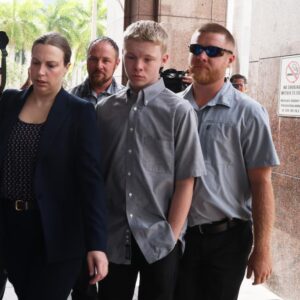
“THE DNA DIDN’T MATCH HIM.” 😳🚢 A major twist has emerged in the Anna Kepner case after investigators revealed DNA from an unknown teenage male was found during the cruise ship investigation 👀 👇 But it’s the single unidentified fingerprint that reportedly still doesn’t belong to anyone in the case that is now raising even more questions
New questions raised over Anna Kepner’s Carnival cruise murder after DNA from unknown male minor found Anna Kepner, 18, allegedly had sex with an unknown male juvenile aboard a Carnival cruise ship shortly before her shocking death, federal prosecutors revealed….
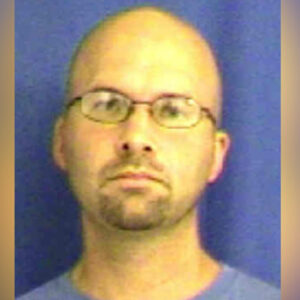
He’s changed: Ryan Willis McFarland, the son of the man accused of killing six family members before committing suicide, leaving his only son grieving the loss of his entire family, has officially spoken out to recount everything that happened, revealing his motives
Son loses entire family after father kills 6 before turning gun on himself, police say Six people were killed in an Iowa town before the gunman fatally shot himself, according to local police. Muscatine police said 52-year-old Ryan Willis McFarland…
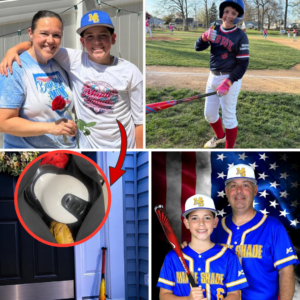
“If only I had looked back one more time…”: The father of 12-year-old Xavier Taylor says there’s a small detail hidden in the last family photo taken that afternoon, and now he can’t stop staring at it
In the dim glow of a hospital room at University Hospital in San Antonio, where the rhythmic beeps of life-support machines formed a constant backdrop to whispered prayers, the father of 12-year-old Xavier Taylor found himself trapped in an endless…
THEY DIDN’T REALIZE IT UNTIL LATER…: Following the latest update on Xavier Taylor’s health, his best friend revealed a problem with the protective gear—and the reason why left everyone speechless
In the hushed atmosphere of Xavier Taylor’s hospital room at University Hospital in San Antonio, where the faint glow of monitors cast long shadows across the walls lined with children’s drawings, the latest medical update delivered another layer of uncertainty…
End of content
No more pages to load