Everything about Adolescence Season 2, new characters and unsolved mysteries
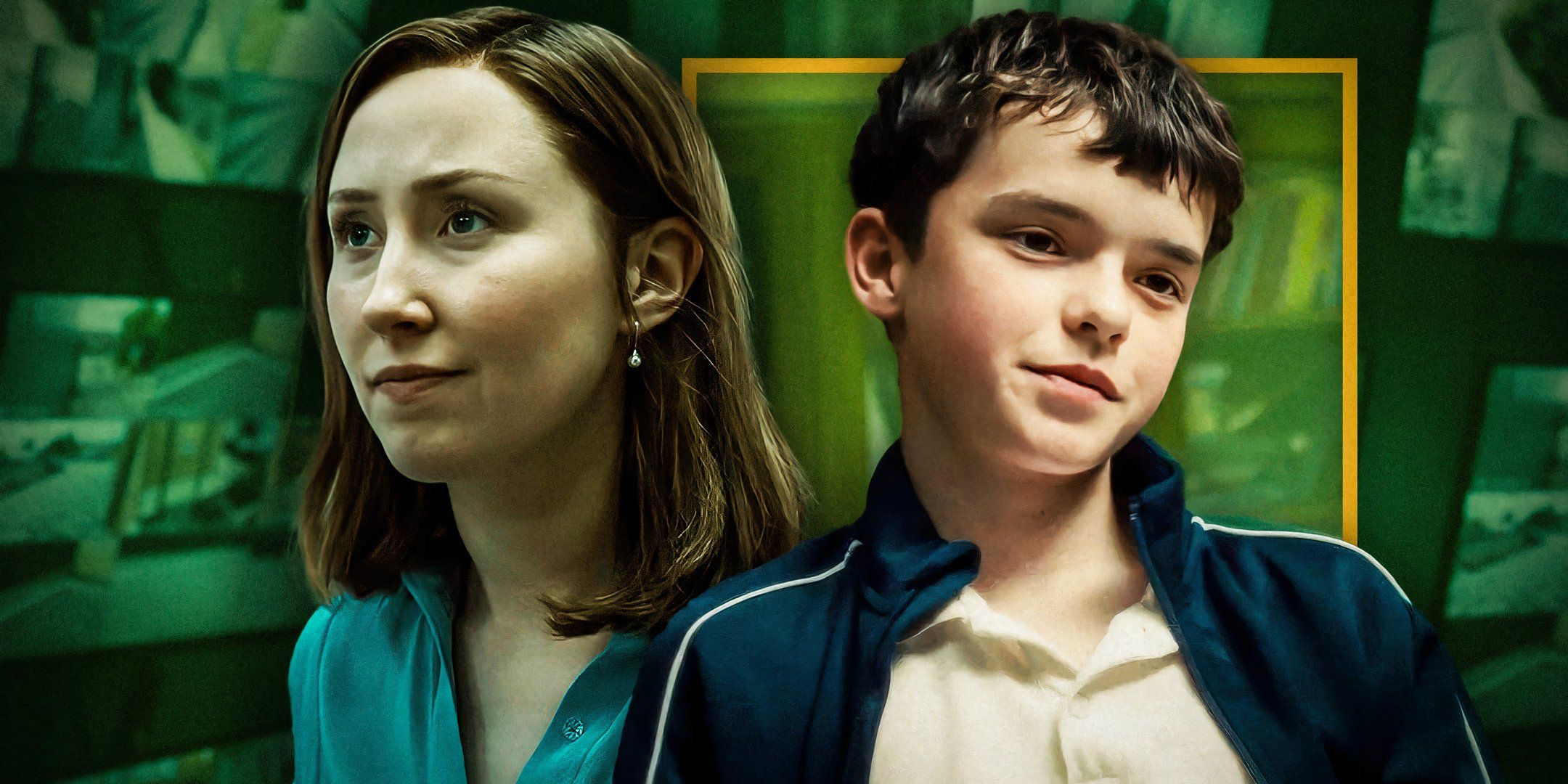 The gripping tale of teenage murder that is Adolescence became an international phenomenon almost immediately after it was released on Netflix in March. Told through expertly planned and executed one-shot takes, each of the series’ four episodes immerses audiences into the story of Jamie, a 13-year-old boy accused of killing his classmate Katie. Thanks in part to in-show discussions of masculinity and the effect that so-called “men’s rights activists” can have on young boys, Adolescence has sparked discussions about the internet’s role in shaping young minds.
Because of Adolescence’s discussion of masculinity, some viewers have interpreted its central act as a result of Jamie’s exposure to online incel communities. According to experts like Dr. Marcus Maloney, Assistant Professor in Sociology at Coventry University’s Centre for Postdigital Cultures, however, there is much more at play. Dr. Maloney’s expertise comes not only from his work in education, but also time spent researching the impact that influencers like Andrew Tate (a self-proclaimed misogynist charged with human trafficking and sexual crimes) have on teenage boys.
ScreenRant interviewed Dr. Marcus Maloney to get an expert’s opinion on the real societal forces at work behind stories like the one told in Adolescence. Dr. Maloney weighed in on certain interpretations of the show and shared his thoughts on how the series’ different aspects were brought to life. Plus, Dr. Maloney reflected on critiques that Katie’s role in the series was underdeveloped, and whether something like that would make for a good Adolescence season 2.
Adolescence Is Not Just About A Boy Radicalized Online
Maloney Says That’s A “Profound Misinterpretation”
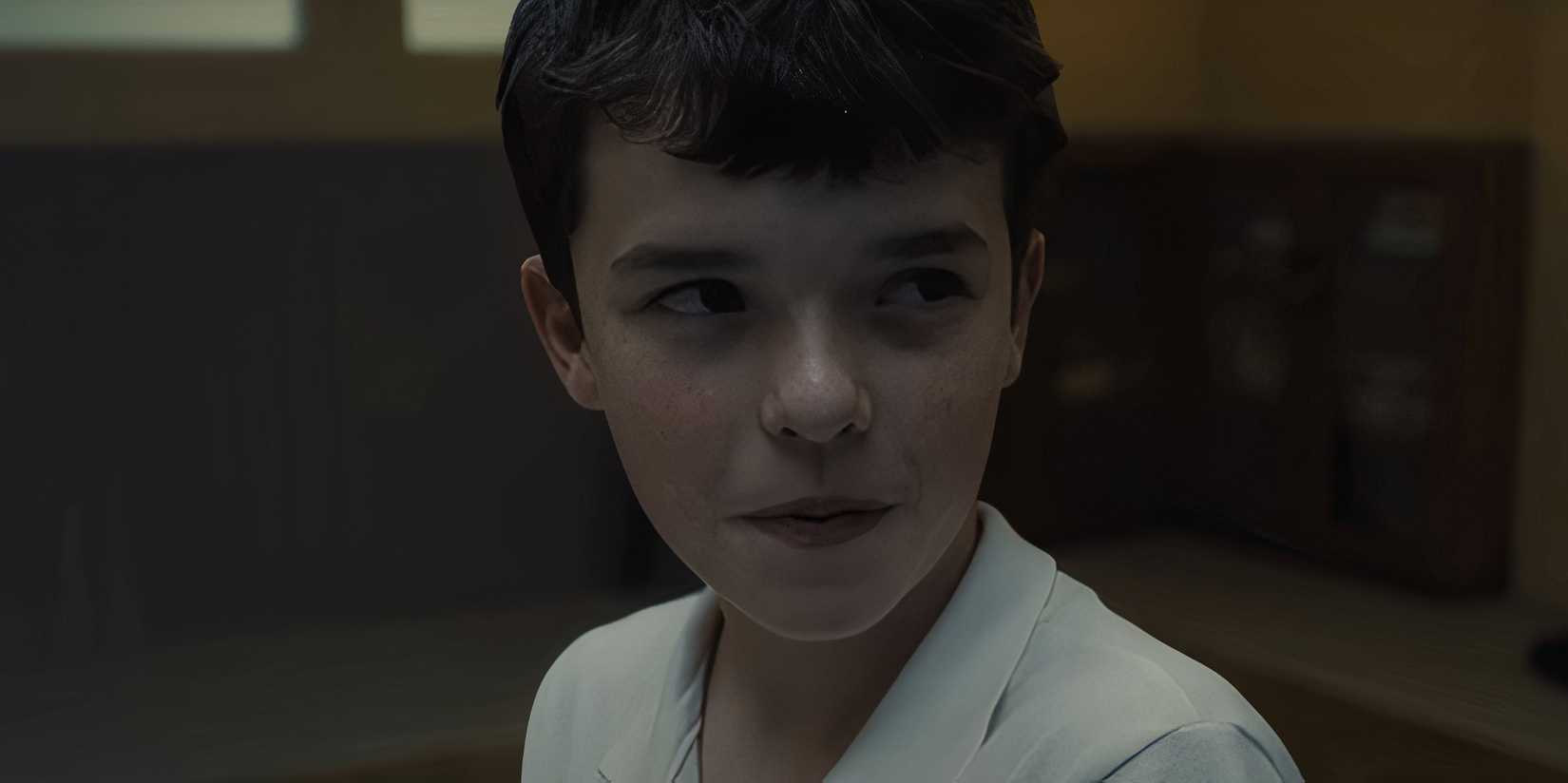
Despite initial fears that “they’re just going to say this kid was an incel who was radicalized online,” Maloney was happy to find that the series broadened out to “make much wider points about society and young people in contemporary times [and] the role of family and socialization.” The professor also praised a sense of “ambiguity and mystery” surrounding what happened: “The reality with these things is they’re never a simple case of, ‘Oh, it’s the internet’s fault,’ or, ‘Oh, it’s the dad’s fault.’ These kinds of horrible events are really complex.”
Maloney noted one moment that he believes people are missing in calling Adolescence a story of online radicalization. “There’s a moment in episode 3,” Maloney said, “where the boy is being assessed by the psychologist and she actually asks him, ‘Did you go down that incel rabbit hole?’ and he quite clearly says ‘I saw some of that content, but it wasn’t really for me.’ So, I’m really kind of surprised and frustrated that the take-home message that people are getting from this show is that it was all about internet radicalization.”
Toxic Masculinity Is A Symptom, Not A Cause
“Much Broader Socioeconomic Issues” Are At Play
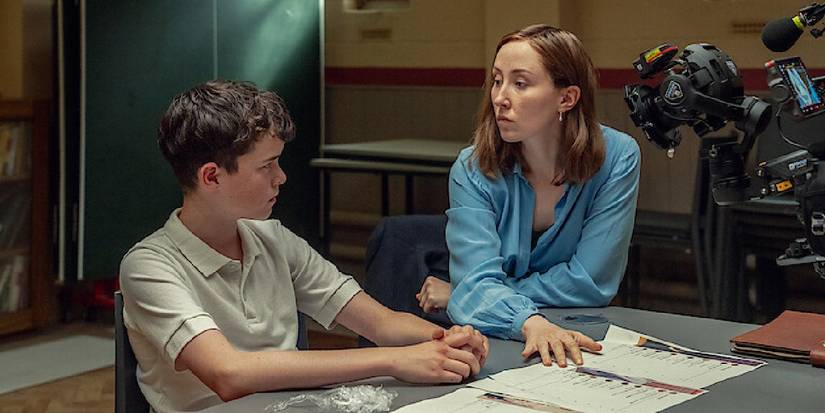
Adolescence is absolutely an exploration of young masculinity, but Maloney believes the filmmakers’ intentions to go much broader than the internet: “I think what the show is trying to tell us … [which] tracks closely to the kind of research that I’ve done, is that the outcome is misogyny, extremists, reactionary views, and so on, but … the core appeal of these online cultures relates to the kind of anxieties and the general precarity that young people are experiencing these days in their transition to adulthood.”
Those anxieties “interact with” a sense of pressure to embody what Maloney called “traditional masculine ideals that are increasingly unattainable,” but they are born out of other challenges. In the professor’s words, those challenges include “forming meaningful, intimate relationships [and] the increasing unattainability of a secure long-term career.” Social media and the internet have a part to play, said Maloney, but the broader socioeconomic issues have been “getting worse for decades in countries like the UK or America.”
Did Casual Misogyny Leave Hollywood & Grow Online?
“These Kinds Of Views … Never Actually Disappeared”

In modern times, misogynistic talking points are most often spread by those within (and affected by) the Manosphere, but it wasn’t long ago that Hollywood itself profited off of casual misogyny. “A few months ago,” Maloney said, “I saw an early 2000s romantic comedy, [The Ugly Truth], starring Gerard Butler and Katherine Heigl… What was fascinating about that was that the essential story of the film was that she was a television producer type character, and he was sort of a men’s rights activist type on public access television.”
“The kinds of things the Gerard Butler character was saying,” Maloney continued, “were essentially the same things that Andrew Tate is saying in the 2020s. But [Butler’s character] was framed in the film as a lovable rogue–in a sense, he was kind of like the misogynist with a heart of gold. Then, when they hook up, he kind of softens up. But she also, very importantly, sort of comes around to his view of the world to some extent.”
Don’t Only Blame The Internet For Social Isolation
Before Covid-19 And The Internet, There Was Margaret Thatcher


Another factor in the journeys of young men like Jamie is isolation. “Male loneliness epidemic” is a phrase that has featured in more than a few headlines over the last few years – especially since Covid-19 forced lockdowns around the globe. While Covid did exacerbate the issue, “a lot of it was related to the kind of social systems and support systems we had around us.”
“The internet and social media have come in to fill a gap that’s been created by a decrease in socialization over the decades for a lot of other reasons,” Maloney said, “a lot of them to do with the breakdown of community in America, Australia, and the UK precisely as a result of economic policy since the 1980s outwards, and the withdrawal of the state from creating a collective sense of being in society. Margaret Thatcher’s famous statement in the ‘80s was, ‘There is no such thing as society. There are only individual men and women and families.’”
Maloney Points Out An Interesting Family Dynamic In Adolescence
Jamie’s Father Is Very Present, While His Mother Is Not
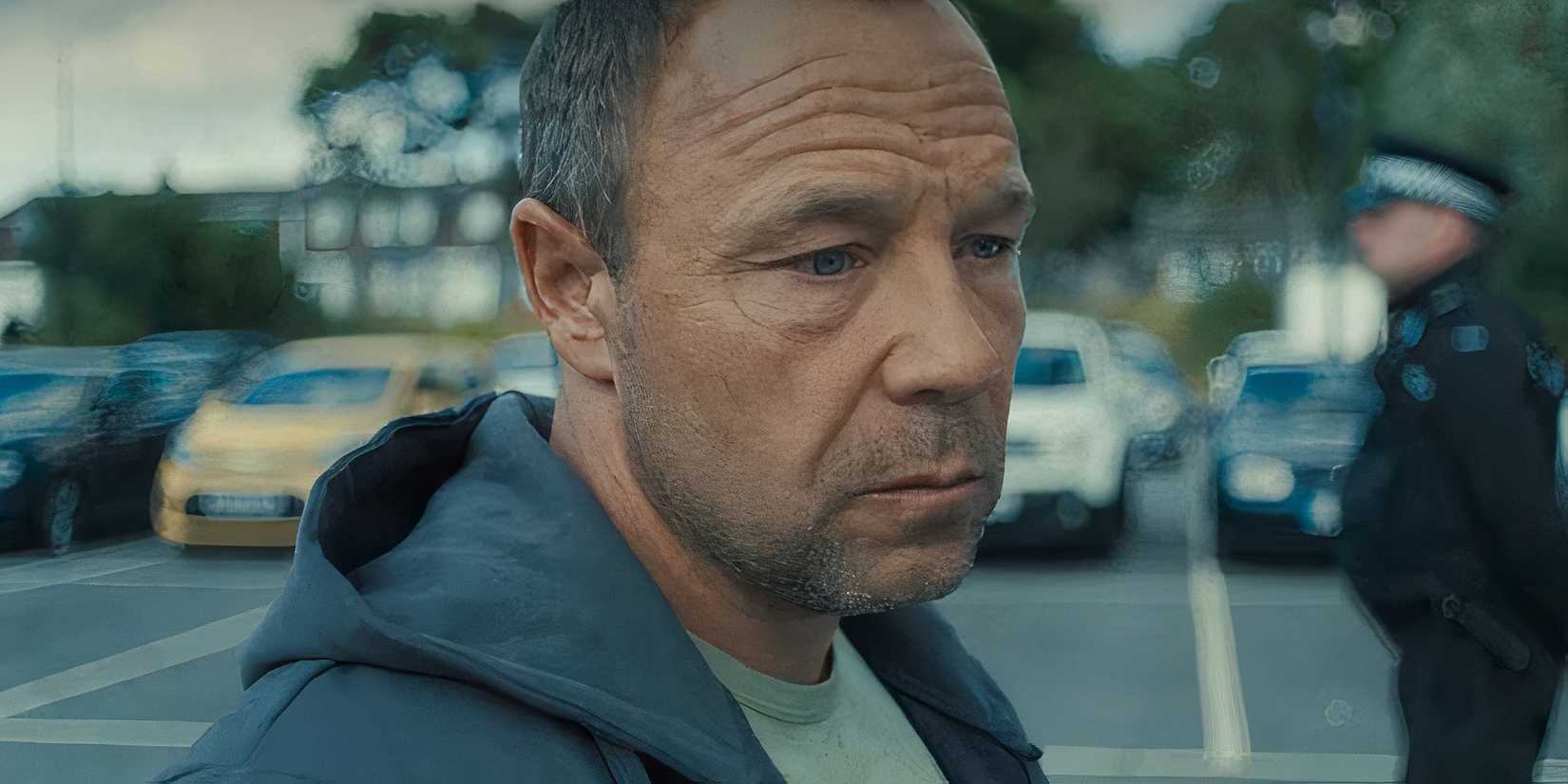
What’s especially interesting, considering that masculine ideals may stop young men from asking for help, is the fact that Jamie’s father (played by Stephen Graham) is his key resource in Adolescene. “The dad is not depicted as a monster,” Maloney noted, “[but] he’s an unhappy working-class white guy whose life probably didn’t pan out the way that he wanted it to. And in passive-aggressive ways–and sometimes aggressive, in terms of the way that he rips down the shed–he’s sort of projecting it onto the world.” Also, importantly, “there’s a sense that he’s projected it onto the boy.”
The role of women in a boy’s life is just as important and just as [formative] as the role of older men.
The professor imparted another message for adults: “We, as adults, need to nonjudgementally listen to young people a lot more … that’s echoed quite cleverly in the story of the detective and his son at the school, [where] it’s the son that has to point out to the dad what the emojis mean in terms of incel culture. There’s a sense that we, as adults, really have no idea of the kind of language that young people are speaking, and we’ve seen more concern with trying to intervene … rather than just [listening] to them.”
The Absence Of Katie’s Perspective In Adolescence Addressed By Maloney
“I’d Be Very Interested In What The Makers Have To Say About That”
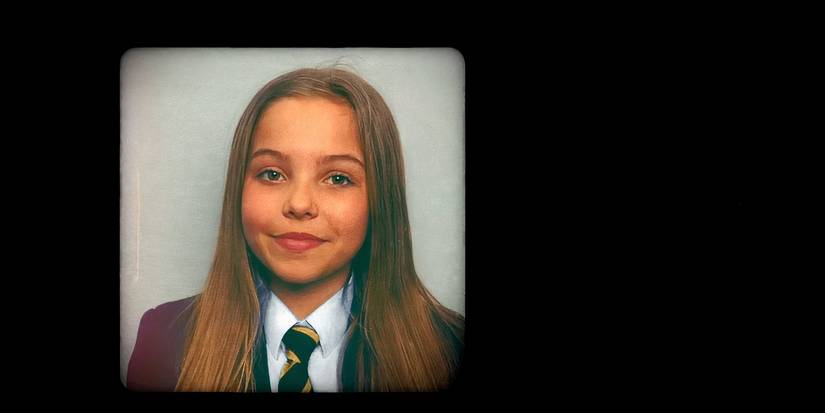
One lingering critique of Adolescence, even among all of its praise, is that the show sidelined the story of its victim, Katie. “I have a lot of time for that critique,” Maloney said, “but there’s two sides to it. I think the critique is totally justified, but it was also very clearly a deliberate decision from the creators of the show to make her a distant figure in that story. I’d be very interested in what the makers have to say about that.”
Remove Ads
If I think of it as just a piece of artwork, and an incredible piece of artwork, you should always be wary about pulling out the little bits of that artwork that you don’t like, but I absolutely do have a lot of time for that criticism.
When faced with the idea that an Adolescence sequel could follow perspectives like Katie’s, however, Maloney had the following to say: “It freaks me out a bit, then, because you just think of Netflix doing sequel after sequel and they get progressively worse.” Ultimately, the idea of an Adolescence Cinematic Universe didn’t appeal much to Maloney: “Oh my God. The world’s grimmest cinematic universe.”
All four episodes of Adolescence are streaming now on Netflix.